
PTFE is a synthetic plastic material from the fluoropolymer family. Many industries use it because of its excellent properties and growing market demand. It’s distinctive characteristics, including impressive chemical resistance, a non-stick surface, and a low friction coefficient, have made it highly valued in the plastic industry. Discovered by Discovered by Dr. Roy Plunkett in 1938, Teflon revolutionized the plastics industry and made it possible to develop materials for applications that previously seemed impractical. The manufacturing process for Virgin Polymer is crucial in ensuring that the final products maintain their desired properties.
How Is PTFE Manufactured?
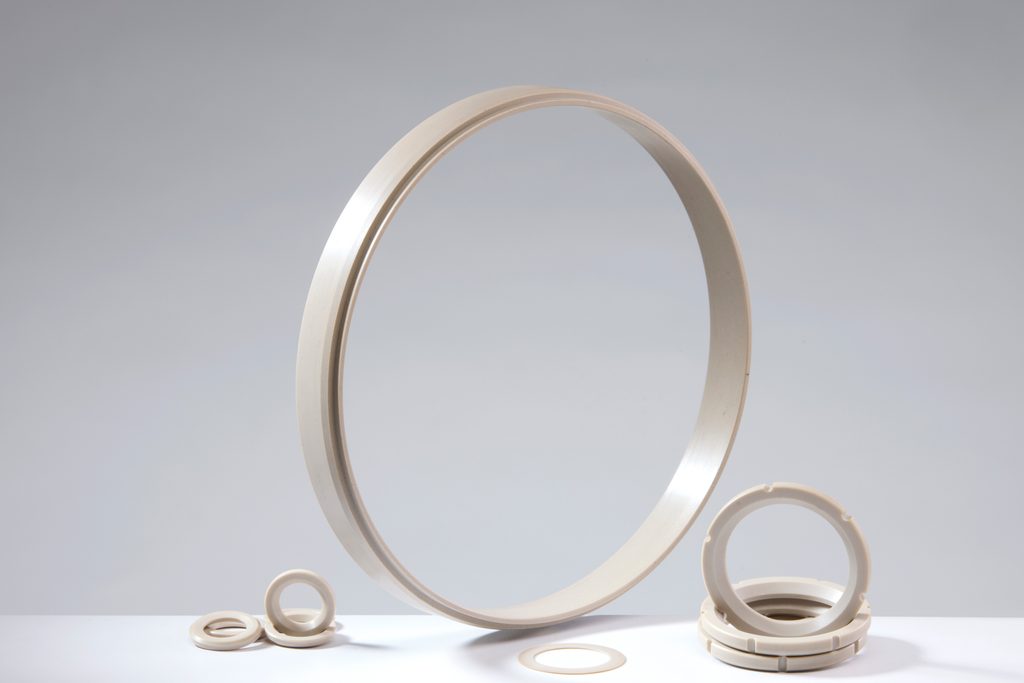
PTFE is a performance synthetic material. Understanding how manufacturers produce fluoropolymers helps explain why these materials perform well in harsh industrial environments. The procedure for producing PTFE is intricate. Involves several stages. It turns chemicals into useful products, like sheets, rods, gaskets, seals and tubes.
Why use PTFE seals?
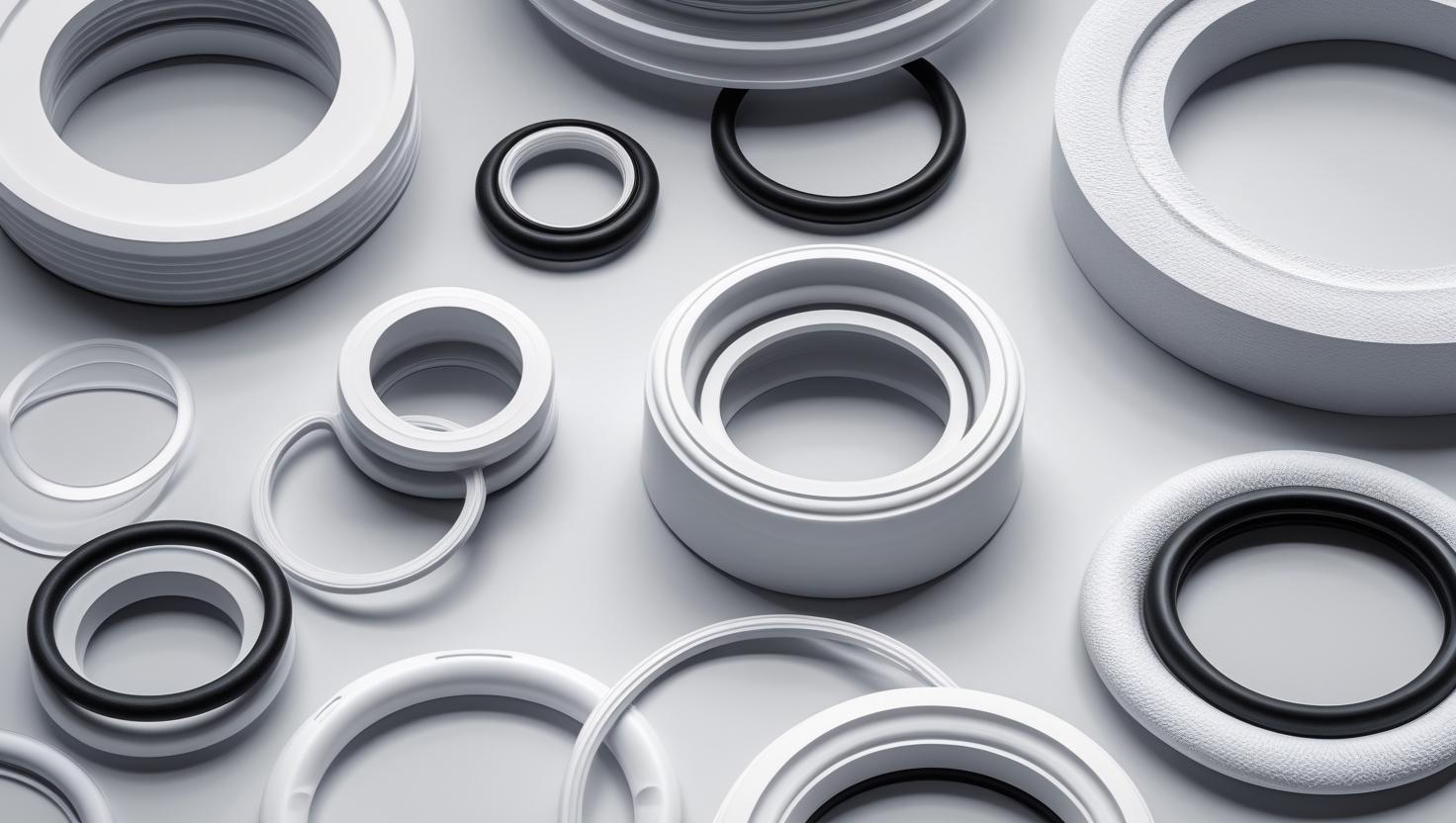
Manufacturers often use PTFE to produce industrial seals For example, manufacturers produce O-rings from suitable sealing materials and place them between mating surfaces to prevent leaks. Moreover, these rings maintain a tight seal even under high fluid or gas pressure. As a result, they minimize leakage and improve equipment reliability. Additionally, their effective sealing performance helps industries maintain safe and efficient operations.
- High wear resistance
- Low coefficient of friction
- Moderate hardness
- Durability
Although these characters are already familiar to us, each material has a maximum limit to its strength. In addition, each grade of PTFE provides unique benefits for sealing applications. Recognizing these limits and variations helps us make more informed decisions when selecting and using polymer seals to meet specific needs. hile maintaining structural integrity makes it indispensable for aerospace-grade polymer applications.
Why use Teflon Gaskets
A PTFE gasket is a sealing element constructed from polytetrafluoroethylene, a type of synthetic fluoropolymer. Industries use these gaskets because they provide reliable, long-lasting sealing performance. PTFE gaskets resist chemical reactions and withstand high temperatures, making them suitable for demanding industrial environments. Their adaptability also aids in forming efficient seals between joining surfaces.
- Non-reactive
- Flexible
- Durable
- Heat-resistant
Industries widely prefer PTFE gaskets because they deliver reliable sealing performance. Additionally, their easy installation and cost-effective pricing make them a practical choice for various industrial applications.These gaskets can endure severe chemical environments and extreme temperature conditions, enabling their use in various applications. Additionally, they need minimal upkeep, helping to lower overall expenses over time.
Why use PTFE Rod?
PTFE, which stands for polytetrafluoroethylene, is a type of plastic known for its non-stick, heat-resistant, and chemically inert characteristics. It has gain widespread use in various industrial applications over time because of these unique properties, which make it well-suited for environments where resistance to heat, chemicals, and wear is essential.
Teflon rods are utilized in various equipment, including pumps, valves, bearings, and electrical insulators. The non-stick feature of polymers makes it a preferred material for cookware and kitchen tools that need a non-stick surface. In the automotive industry,
Teflon rods are valued for their ability to withstand high temperatures, making them suitable for use in engine and transmission parts that are exposed to significant heat. The chemical industry also benefits from Fluropolymers non-reactive and chemically resistant nature. It is resistant to a wide range of acids, bases, and solvents, which makes it ideal for use in chemical processing equipment, sealing components, and gaskets.
Conclusion
The PTFE manufacturing process takes raw fluoropolymer resin. Turns it into really good products like seals, gaskets, rods, sheets and tubes. The process of making Teflon involves several steps, including molding, sintering, cooling, and machining. These steps make Polymer products really good at resisting chemicals they do not stick much they can handle temperatures and they last a long time. This makes Fluropolymer a great material for industries, like chemical processing, automotive, electrical, food processing and aerospace. These industries need materials that’re reliable work well and last a long time. These industries rely on Teflon products for their characteristics.