
PTFE – The Heat-Resistant
Polytetrafluoroethylene (PTFE), a high-performance polymer and member of the fluoropolymer family, has proven itself as a vital material in industries where extreme heat and chemical resistance are non-negotiable, known commercially as Teflon, Polymer is revolutionizing the way critical components perform under stress, unmatched thermal stability and chemical inertness, this advanced polymer continues to open new avenues for innovation across diverse industrial applications.It is a long established fact that a reader will be distracted by the readable content of a page when looking at its layout. The point of using Lorem Ipsum is that it has a more-or-less normal distribution of letters, as opposed to using ‘Content here, content here’, making it look like readable English.
The Science Behind PTFE’s Heat Resistance
Furthermore, one of the defining features of PTFE is its ability to perform reliably at extreme temperatures typically up to 260°C (500°F), and even higher in short-term conditions.This high-temperature performance results from:
- Strong carbon-fluorine bonds are present in its molecular structure.
- Thermal expansion can be reduced by a low coefficient of friction.
- Exceptional dielectric properties, making it suitable for electronic insulators
These attributes make Teflon not just a polymer, but a heat-resistant fluoropolymer ideal for demanding engineering environments.
PTFE in Aerospace and Aviation: Withstanding Sky-High Temperatures
In aerospace, components are routinely exposed to high thermal and mechanical stress. PTFE insulation jackets, seals, and gaskets are used in:
- Jet engines and exhaust systems
- Wiring insulation for avionics
- Thermal protection for cabin and cockpit systems
The material’s ability to endure drastic temperature fluctuations while maintaining structural integrity makes it indispensable for aerospace-grade polymer applications.
Automotive Applications: Efficiency Under the Hood
Today’s high-performance engines run hotter and faster than ever before. PTFE helps manage these thermal demands in:
- Cylinder head sealing and valve stem seals
- Turbocharger components
- Transmission and braking systems
Its low wear rate and chemical stability enable extended service life and minimal maintenance, ensuring smoother operations in combustion-heavy environments.
Chemical Processing: Stability in Corrosive and Thermal Extremes
The chemical industry demands materials that can handle both aggressive media and high temperatures. PTFE is a frontline material for:
- Heat exchangers
- Lined pipes and fittings
- Reactor vessel linings
Moreover, its non-reactive nature and high melting point allow it to maintain its properties even when exposed to corrosive acids, bases, and solvents at elevated temperatures.
Electronics and Semiconductor Manufacturing
As electronics become more compact and powerful, thermal management becomes a top priority. PTFE is used for:
- High-frequency cable insulation
- Dielectric barriers in circuit boards
- Flexible printed circuit substrates
Its thermal resistance, low dielectric constant, and insulating capabilities support the miniaturization of high-performance electronic components.
Industrial Sealing Solutions: Resisting Deformation at High Temperatures
Seals, gaskets, and valve seats made from PTFE-based compounds like glass-filled Teflon and carbon-filled PTFE are widely adopted across industries. These composite materials improve:
- Dimensional stability at high temperatures
- Compression resistance
- Long-term sealing performance
Applications include boilers, high-pressure pumps, and heat-intensive processing equipment.
Medical and Pharmaceutical Processing
Additionally, in sterile environments where both chemical and heat resistance are essential, PTFE delivers unmatched reliability. It appears in:
- Sterilizable tubing and valves
- High-temperature-resistant filter housings
- Drug mixing and transport components
Its biocompatibility, combined with thermal resistance, makes Teflon an ideal choice for cleanroom-grade polymer components.
Emerging Innovations and PTFE Composites
As industries evolve, the demands placed on materials change as well. As a result, manufacturers now enhance PTFE composites by adding fillers such as:
- Graphite – for improved wear resistance
- Molybdenum disulfide – for higher load capacity
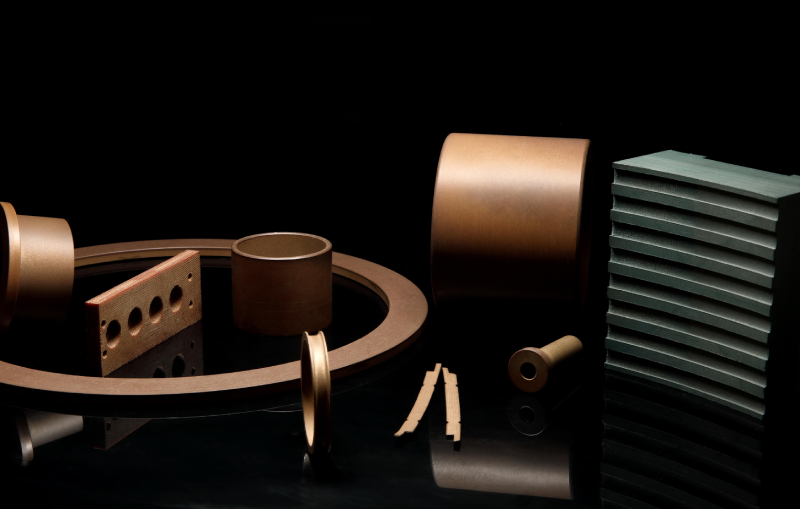
- Bronze – for enhanced thermal conductivity
These innovations expand the thermal and mechanical capabilities of traditional Teflon , enabling use in next-generation energy systems, electric vehicles, and renewable energy equipment.
Conclusion
From aerospace turbines to semiconductor cleanrooms, PTFE continues to be the material of choice for extreme heat applications. As a high-performance polymer, it blends thermal stability, chemical inertness, and mechanical reliability, enabling industries to innovate fearlessly. Whether you’re in automotive design, chemical engineering, or electronics manufacturing, PTFE remains a critical enabler of performance where conventional materials fall short.