
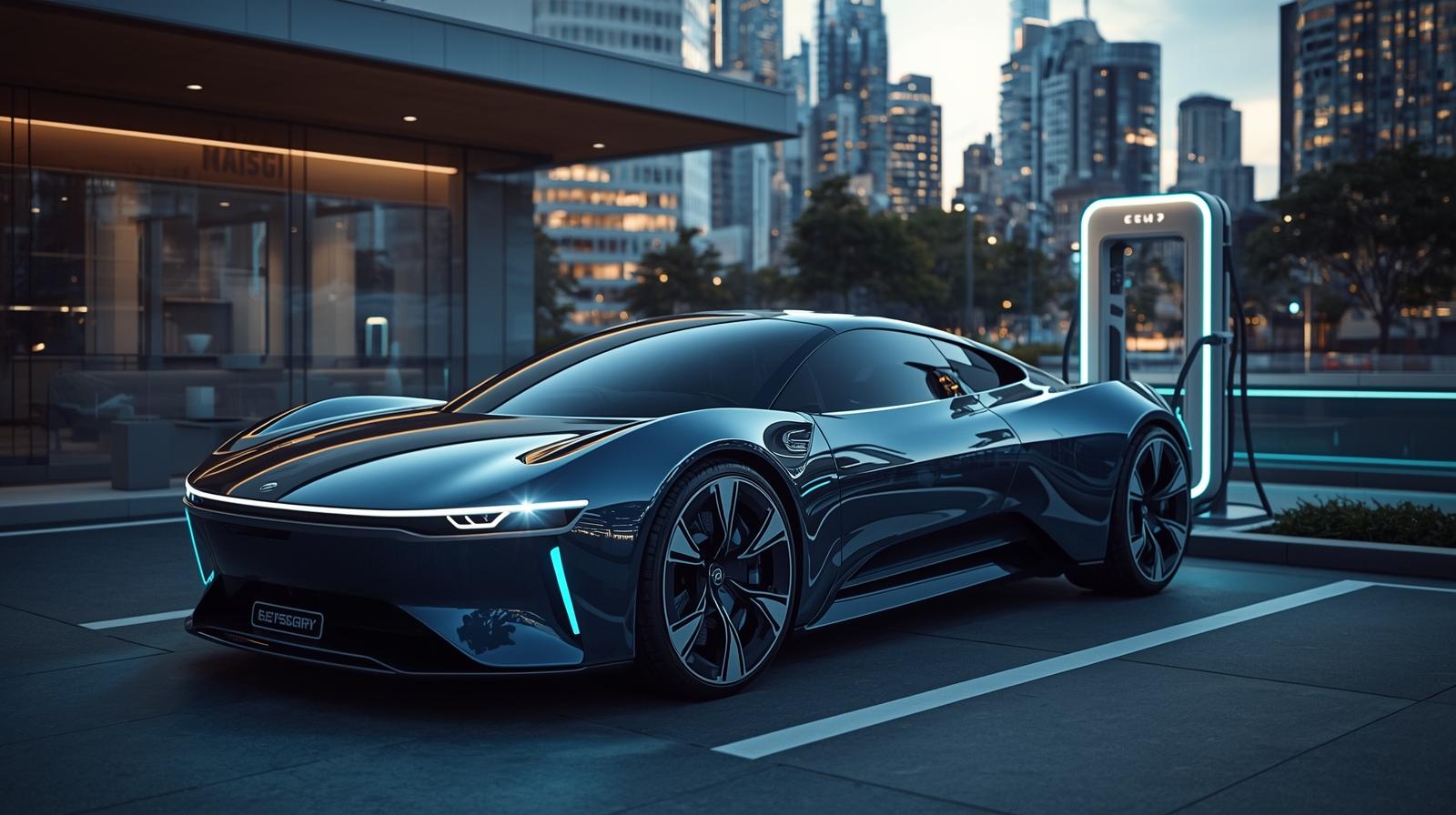
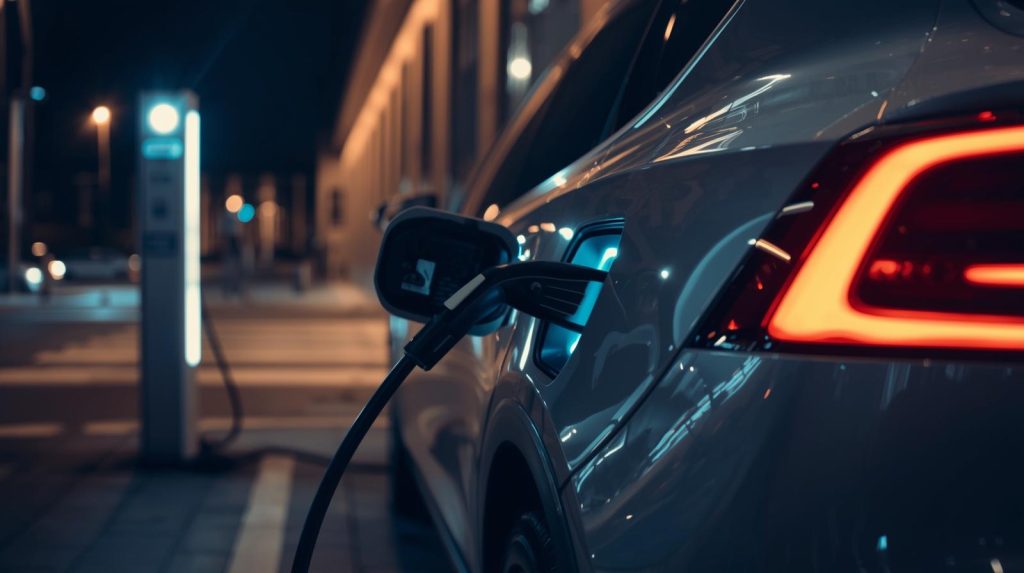
The electric vehicle (EV) revolution is transforming the global automotive industry to the new heights with innovations. One of the revolution is PTFE a high-performance polymer that has taken a pivotal role in EV design and functionality. Its excellent in thermal resistance, electrical insulation, and chemical inertness are making PTFE increasingly in the critical components of EVs like battery systems, high-voltage cables, and thermal management assemblies.
Reliability in harsh conditions is greatly require in the electric vehicle sector, teflon is an exceptional material with strong characteristics that enhance safety, performance, and efficiency.
Let us go through how Polymer is a crucial element in the design of electric vehicles and why it will be increasingly important in 2025 and beyond.
PTFE in EV Engineering Systems
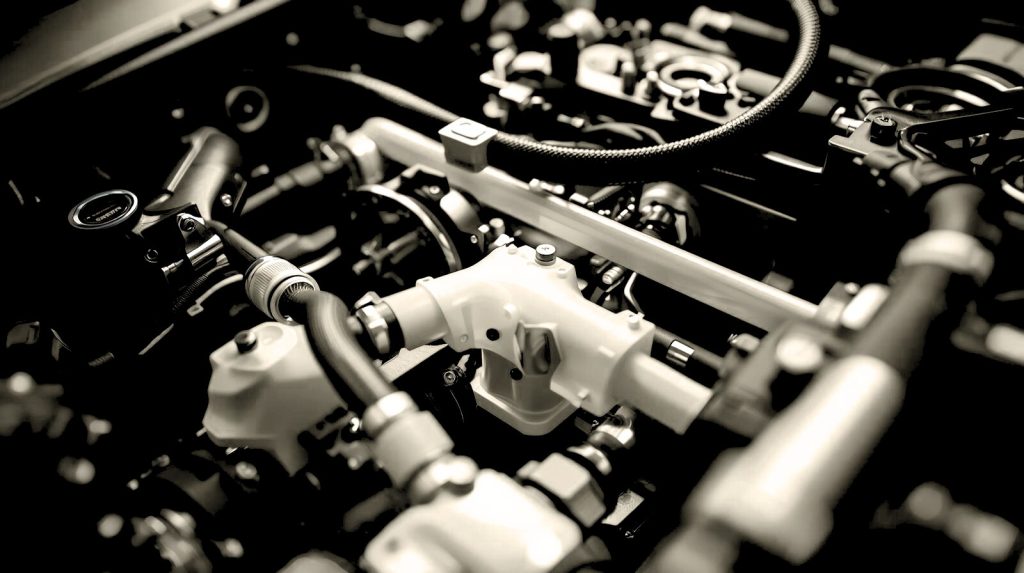
In electric vehicles, the battery serves as the main source of energy. Because individuals desire longer range, safety, and energy efficiency, EV battery system materials must be strong and highly reliable. PTFE serves a significant role in battery performance in several ways.
Battery cell separators: PTFE membranes prevent short circuiting but allow the flow of ions. They are heat-resistant and can be use safely even with increasing temperatures.
To prevent overheating and improve energy efficiency, thermal insulation layers control battery temperatures.
Sealing and gasketing: PTFE gaskets are able to handle chemicals and make airtight seals in battery compartments, maintaining their structure for a long period of time.
These characteristics make PTFE an excellent choice for battery applications, enhancing safety and life under harsh conditions.
PTFE for Electric Vehicle Cables and Wires
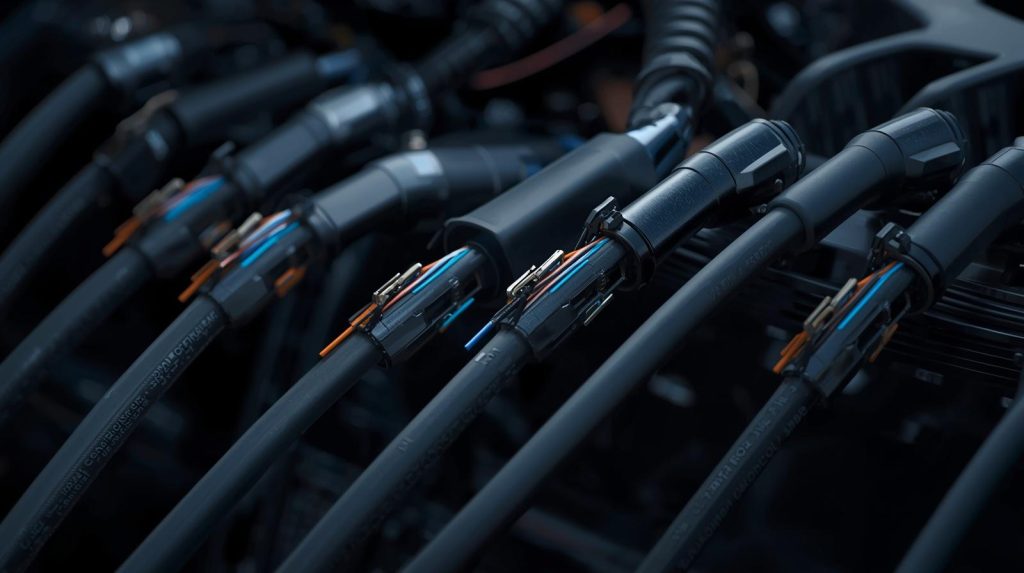
New electric vehicles contain intricate, high-voltage wiring systems. These systems need to be shield by products that can withstand harsh electrical loads, very low or high temperatures, and physical pressure. polymer offers better insulation for these uses.
- Avoids electrical leakage
- Resists heat and flames
- Reduces wear from shaking and rubbing
- Functions in extreme cold and hot temperatures
PTFE-insulated cables provide enhanced performance and reliability, and that is paramount when it comes to EV safety. Its reliability to withstand high voltages and changing environmental conditions makes it a reliable material used in automotive cable production.
PTFE in Thermal Management Systems
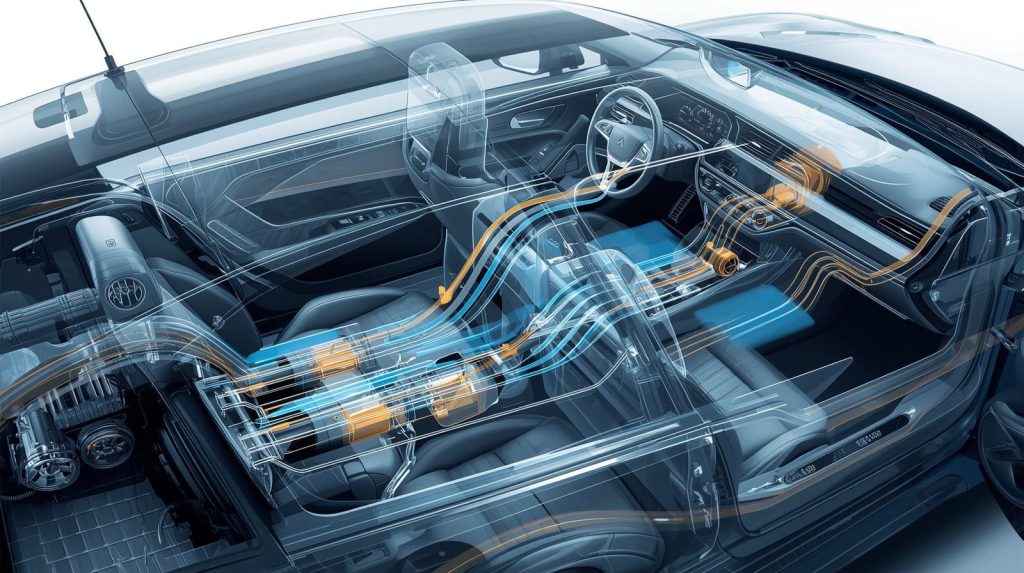
Thermal management is a natural part of EV design, particularly for battery packs, electric motors, and inverters. Overheating can decrease performance, lower efficiency, or lead to system failure. Teflon fills the role of a reliable thermal insulation material to counteract such issues.
Heat shields and battery pack wraps
PTFE-coated fiberglass tapes used in motor insulation
The purpose of thermal interface materials (TIMs) is to dissipate heat in power electronics.
PTFE can tolerate high temperatures and works well in the long run. It maintains parts at the optimal temperature, which makes them longer lasting and makes the EV more reliable.
PTFE Components in Electric Vehicle Charging Systems
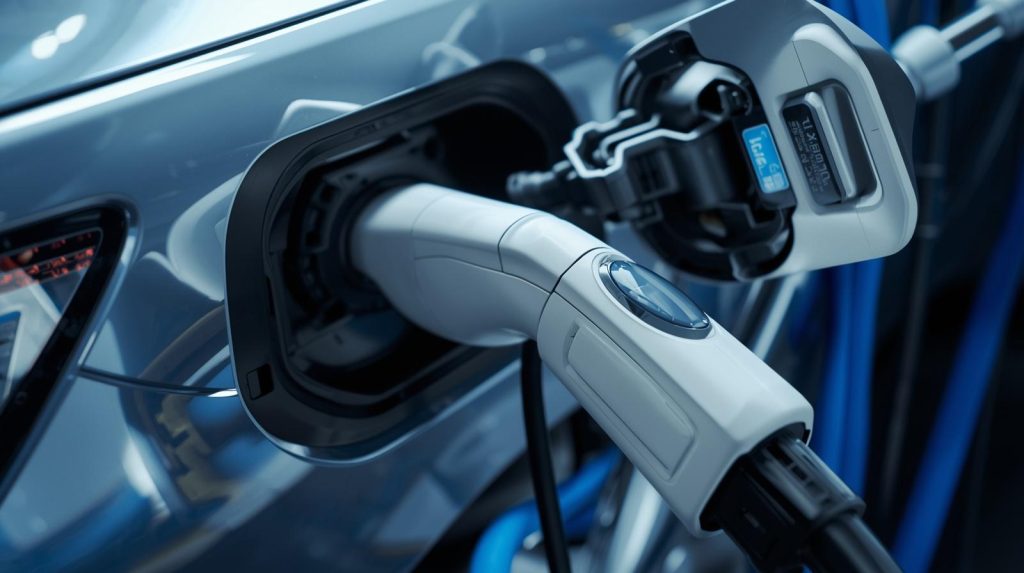
PTFE plays a significant role in the EV sector, both for the car and for the charging system. Connectors and charging stations are expose to the elements and use a great deal. Polymer ensures these components function safely and dependably.
- Cable cover and charging gun materials
- Polymer seals and gaskets in connectors
- Moisture barriers protect outdoor charging terminals.
Teflon has great weather resistance and does not react with harsh chemicals or moisture. It’s an excellent material for the constantly expanding network of EV charging stations.
Sustainability and PTFE: A Future-Proof Material
The automotive industry is shifting towards cleaner technology, and sustainability is gaining significant weight. PTFE thought to be non-biodegradable and however to imporve the recycling technology and lifecycle management are making it more environment friendly. PTFE is also a durable material and has fewer replacement parts, which reduces waste and boosts productivity. PTFE’s robustness also minimizes losses of energy in EV applications, another industry goal to reduce carbon footprints and maximize energy efficiency.
Conclusion
PTFE for electric vehicles isn’t just an option anymore it’s something we’re truly in need of. Whether it’s helping to make battery systems safer, supporting high-performance cabling, or helping to manage heat in critical systems, the use of high-performance polymer in exceptional thermal, electrical, and mechanical properties make it the go-to material, PTFE is quietly but forcefully shaping the electric mobility of the future making vehicles smarter, safer, and cleaner.